
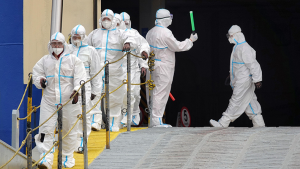
CHINA has relaxed its coronavirus restrictions at ports, including new rules that benefit crew changes, as part of a broader policy U-turn that will see the country co-exist with the virus.
In a newly published guideline for domestic port operations, the transport ministry has removed the mandatory requirement of nucleic acid tests for port workers, except for those on posts exposed to high risk of infection.
The positions include pilots, inspectors or stevedores that need to perform their duties by boarding international trading vessels.
Vessels calling at Chinese ports are no longer required to provide the digital health code and 48-hour virus test results of the crew on board before arrivals.
The new rule is expected to make vessel docking and crew rotation easier in China, according to shipmanagement sources.
China has also opened visa application for seafarers from eastern European countries, allowing them to enter the country and take over newbuildings via a process that involves seven days of quarantine, they said.
“This was not possible a few months ago,” said a Hong Kong-based shipmanager.
However, not all ports have followed Beijing’s order.
One executive from a Hong Kong-based tanker company said crew are still required to test negative before being allowed to enter ports in China.
“Beijing is moving fast,” said the person. “I think it will take some time for all ports to follow suit.”
And the changeover of foreign crew at Chinese ports continues to be a tall order.
Seafarers from some big crew nations, such as the Philippines, are unable to obtain Chinese visa, while the ban on repatriation of foreign crew remains largely in place, said sources.
China is one of the few countries in the world that still impose strict cross-border travel restrictions, including compulsory quarantine in designated hotels, for overseas arrivals.
That said, there are unconfirmed media reports which suggested Beijing was considering a reopening of its border early next year.
The transport ministry has also requested ports and pilot stations to establish contingency plans and reserve duty that can keep port operations normal in the event of an infection flare-up.
Source: The Llyod’s List